Friends of Duke Lake
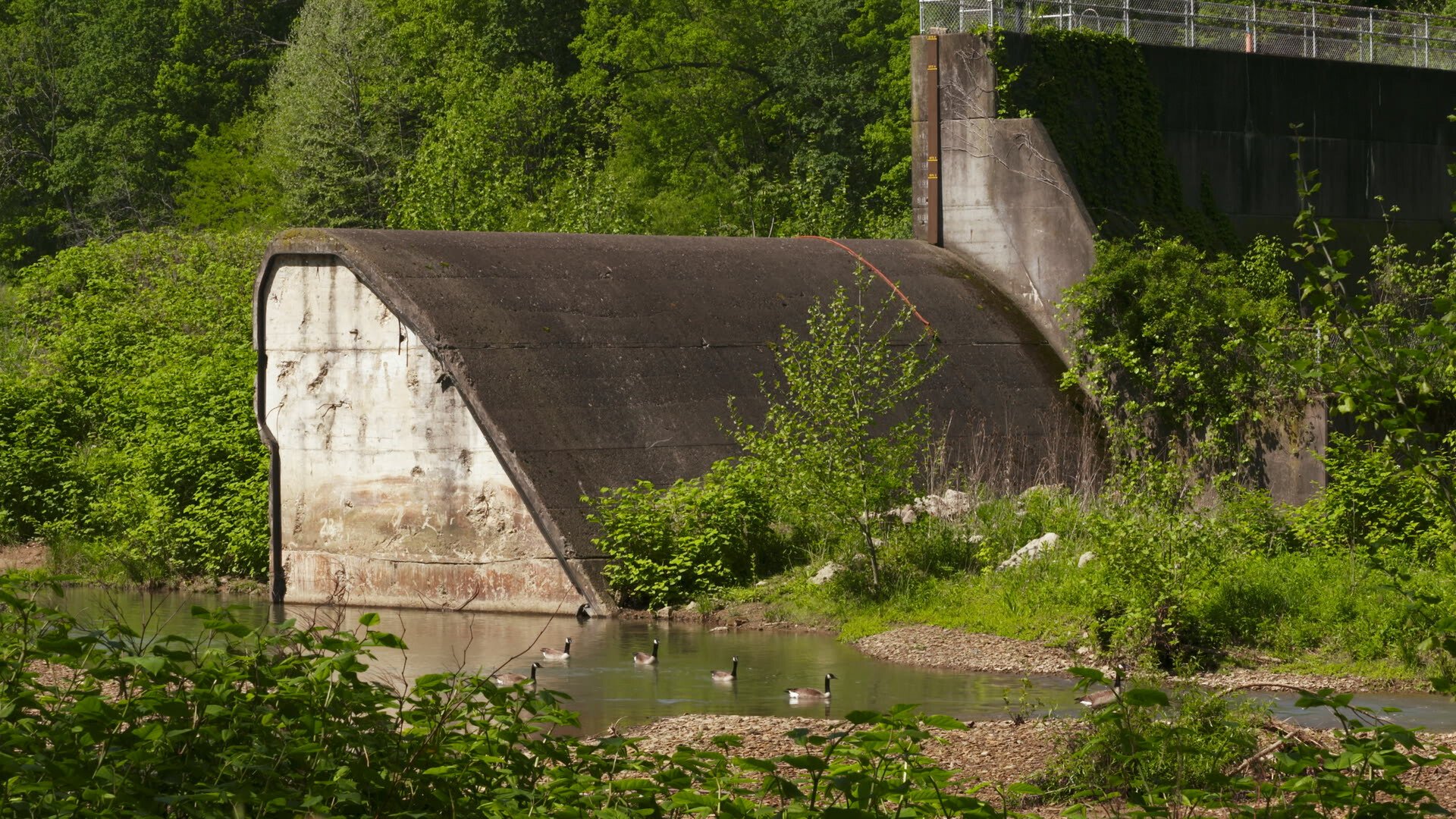
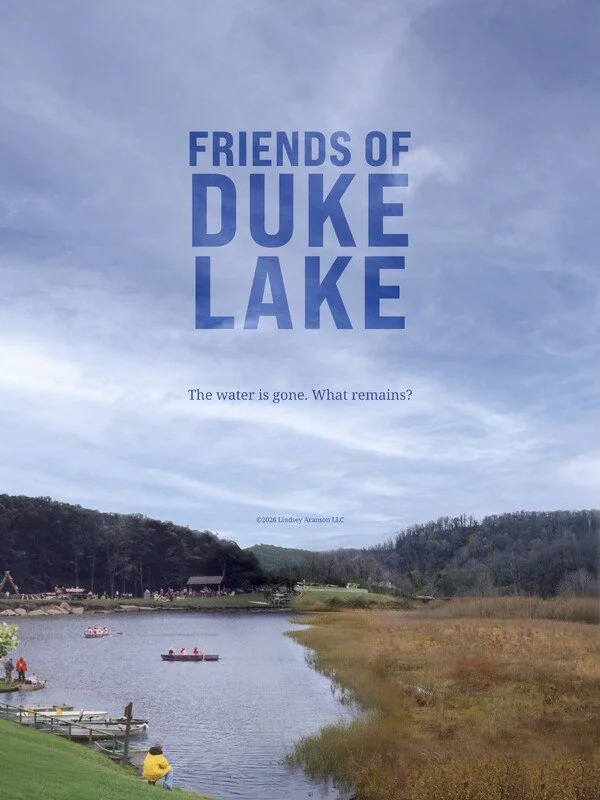
Runtime: 16:02When coal mining drains their beloved lake, a grieving rural community begins a decades-long fight to reclaim what was lost, or redefine what remains, before their park’s legacy fades into mud and memory.
Director - Lindsey Aranson
Lindsey Aranson is a documentary filmmaker specializing in post-production. She views documentary as a form of activism and has made films about gun violence prevention, mental health advocacy, queer pride, and environmental justice. Lindsey holds a BA in Film and Media Production from the University of Pittsburgh. This film marks the completion of her MFA in film and media arts from American University, focusing on social impact and environmental filmmaking.
Directors Statement
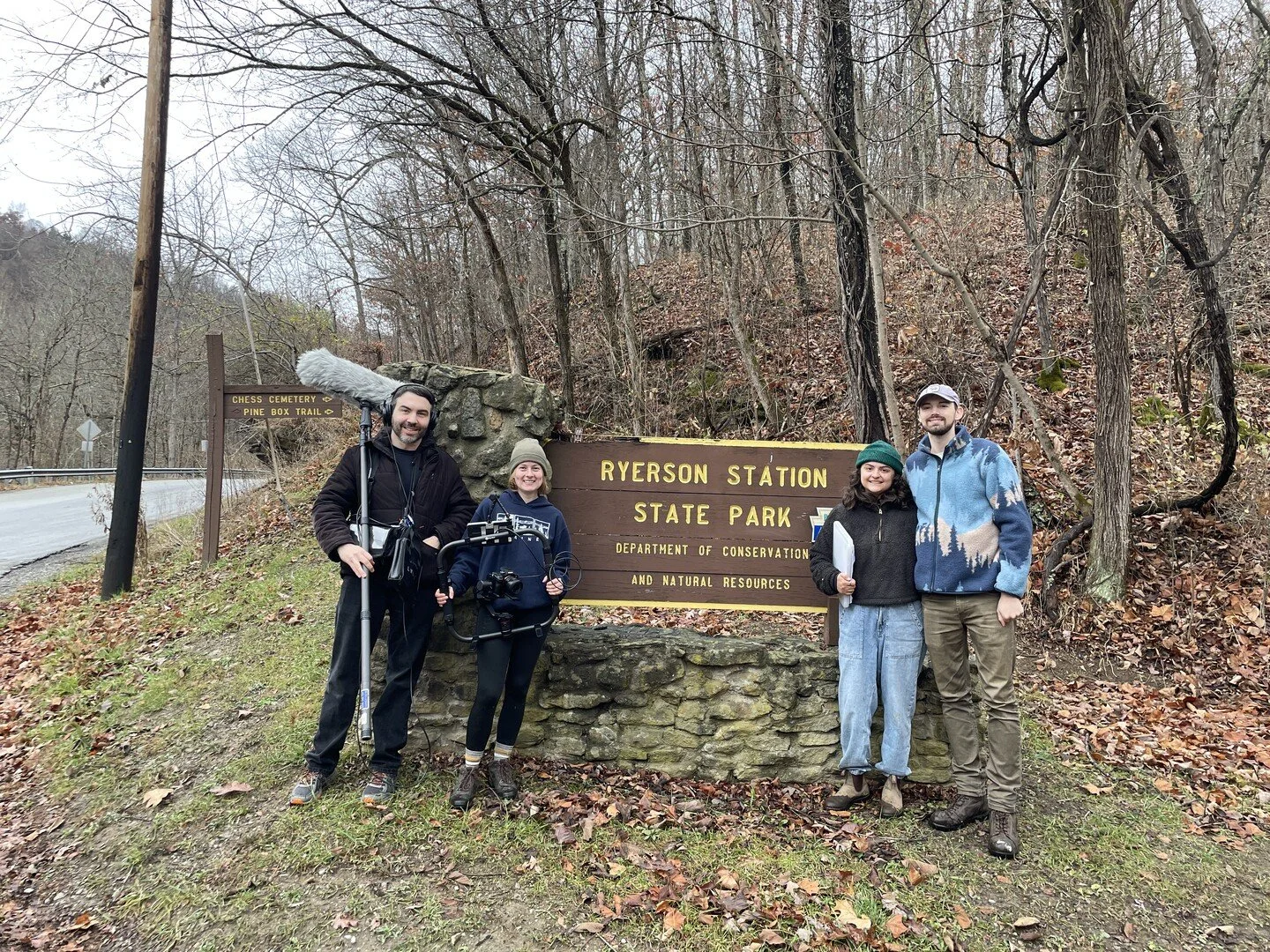
Friends of Duke Lake is my thesis film for my MFA at American University, where I studied social and environmental documentary. I set out to find an untold story where I could raise awareness and make a meaningful impact. Through my producer’s work with the Center for Coalfield Justice, I learned about Ryerson Station State Park and the annual DRYerson Festival, which commemorates the loss of Duke Lake. Seeing the lakebed twenty years after its draining, still clearly outlined and overgrown with tall grass, was surreal. It was a visible absence, an open wound still carried by the community in Greene County. When I learned that the long-awaited restoration may finally be on the horizon around the twentieth anniversary, I knew this was the moment to document the story of Duke Lake.
Drawing from extensive archival materials preserved by the park and residents over decades, I developed a tactile visual approach inspired by these physical records to immerse viewers in the collective memory of Duke Lake and Ryerson. While the story is rooted in the consequences of longwall mining, I found that the central focus shifted toward holding the state accountable for restoring the park. As restoration begins to move forward, I hope the film validates the community’s grief, inspires urgency and accountability, and encourages audiences to support the restoration of Ryerson Park as a place to connect with nature and one another.