Voices Faintly Heard
Runtime: 36:54Please join us after the screening for a live musical performance by Chris Haddox followed by a Q&A with Rebecca Branson Jones the writer, cinematographer, and editor.
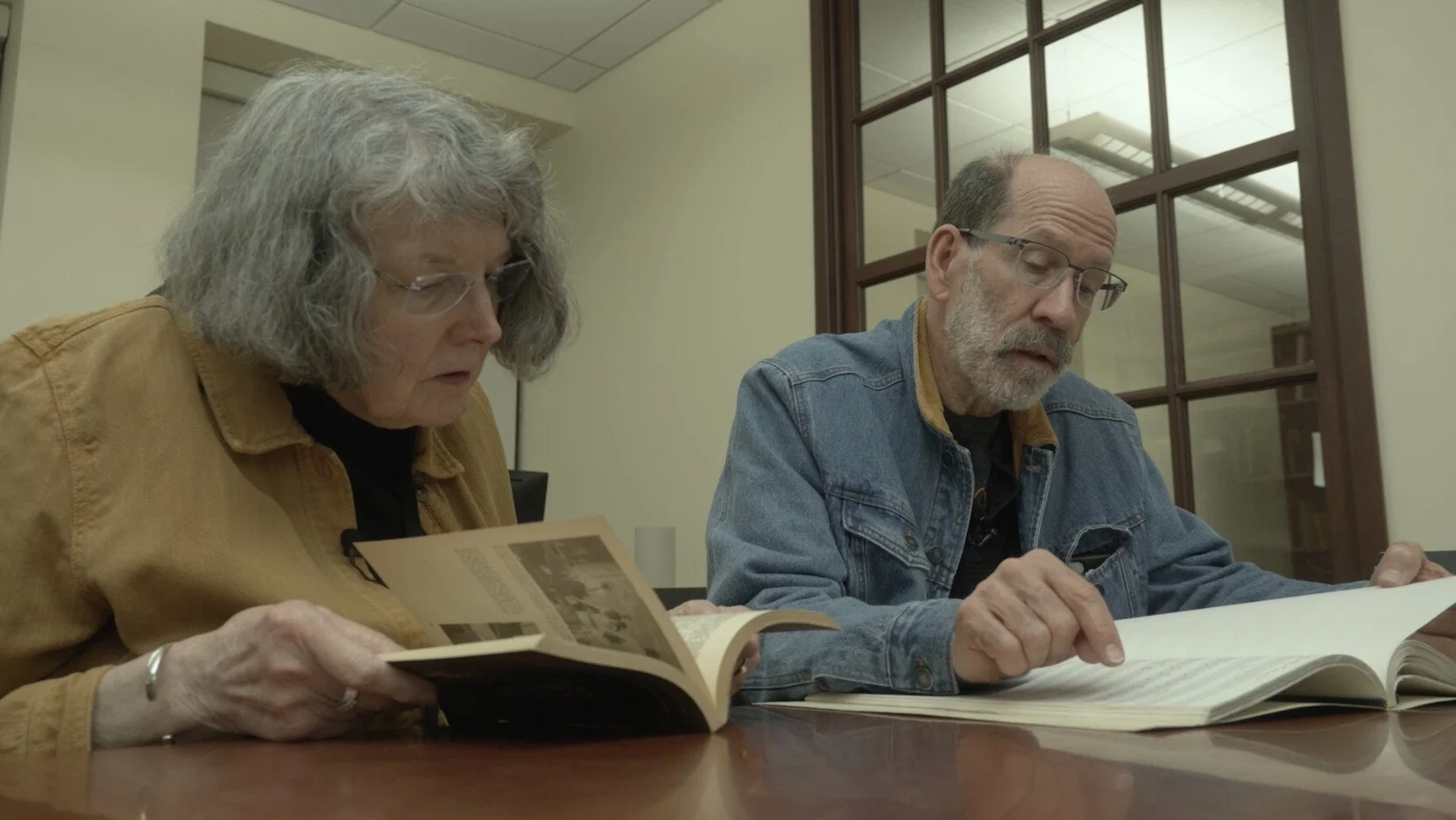
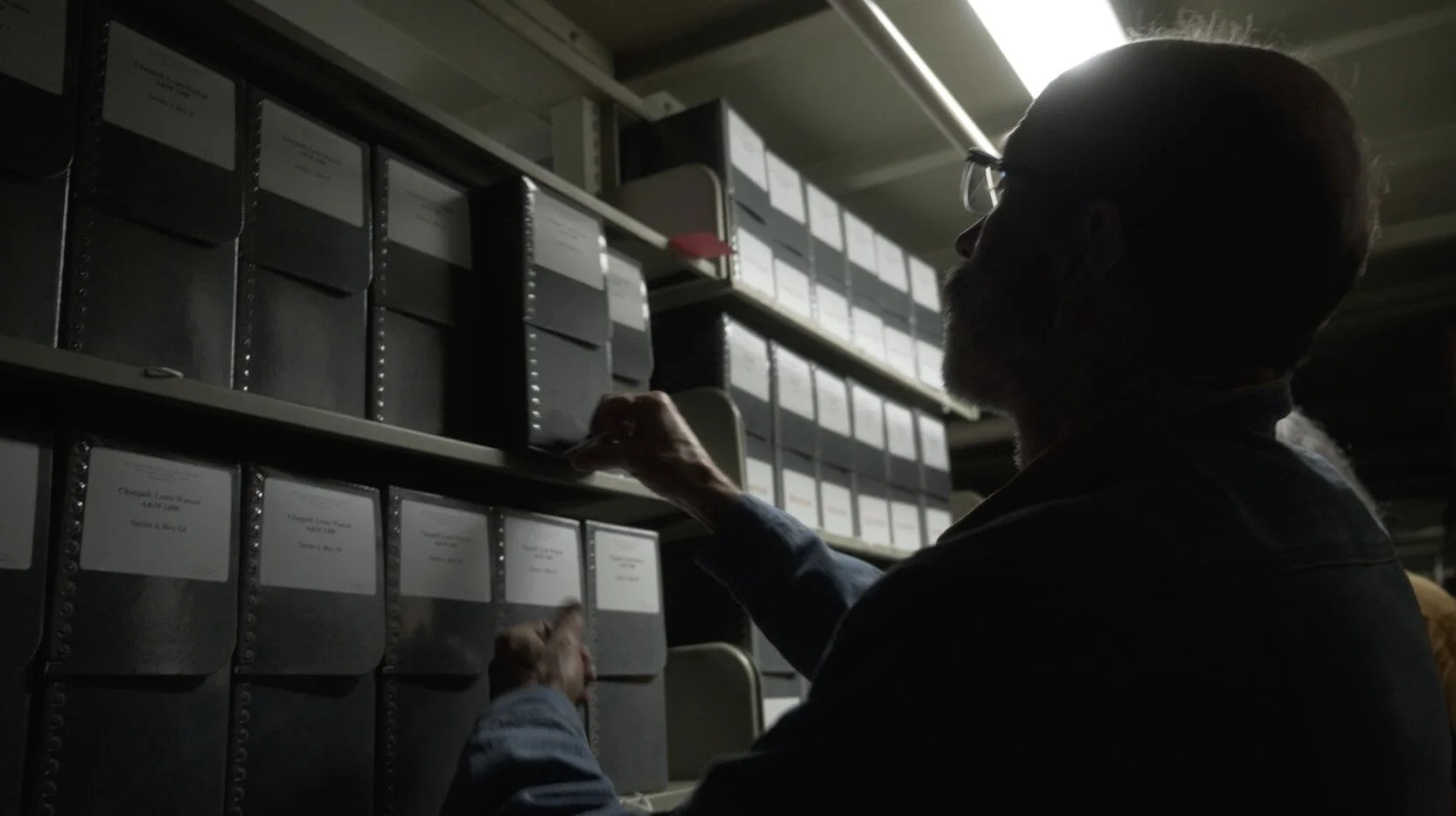
Voices Faintly Heard explores the overlooked folk music traditions of southern West Virginia’s coalfields, a region often defined solely by its extractive industries. Through rare archival recordings, historical research, and contemporary performances, the film brings forward the stories of musicians whose voices were captured in the early 20th century but whose lives remain largely unknown.
From commercial recordings made in cities like Chicago and St. Louis to field recordings collected in the coalfields in 1940, the film traces a musical lineage shaped by labor, community, and memory. Figures such as Kate Toney, Tom Whitt, Dick Justice, and Russell Brown emerge not only as tradition bearers, but as individuals whose songs reflect the lived experience of the region.
By reconnecting songs to the lives, landscapes, and communities that shaped them, Voices Faintly Heard reveals folk music as a living record of cultural resilience in Appalachia’s coalfield counties.

Director - Chris Haddox

Chris Haddox is a traditional musician, researcher, and Associate Professor of Sustainable Design at West Virginia University. A native of Logan, West Virginia, he grew up immersed in the cultural landscape of the southern West Virginia coalfields—a region too often defined solely by its coal and timber industries. While these industries shaped the area’s economic history, Haddox’s work emphasizes another vital inheritance: the folk songs and stories carried by the people who lived, worked, and played music in these mountains.
His current project, Voices Faintly Heard, seeks to shine a light on the musicians of the coalfield counties—individuals whose artistry was preserved in fragments of commercial recordings and folklorists’ fieldwork, yet whose personal stories remain largely untold. Beyond the songs themselves, Haddox is committed to uncovering the lives and legacies of these tradition bearers, filling gaps in Appalachian cultural history.
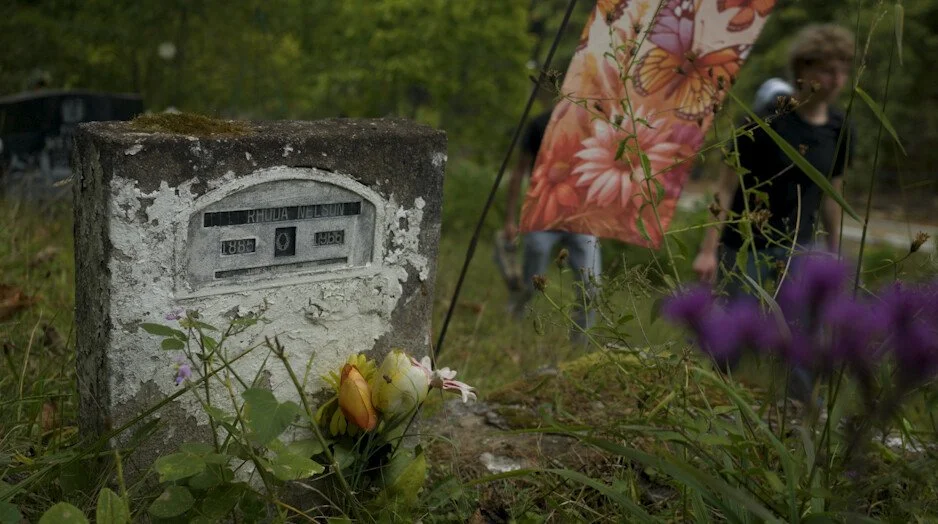
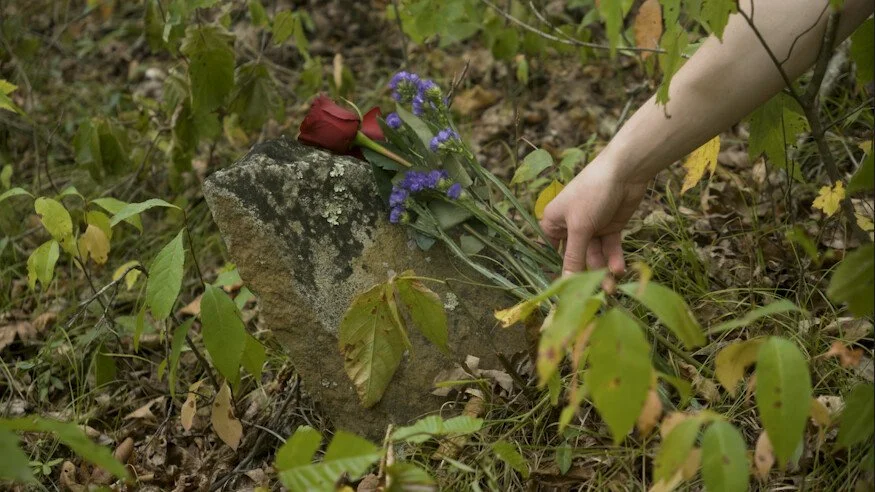
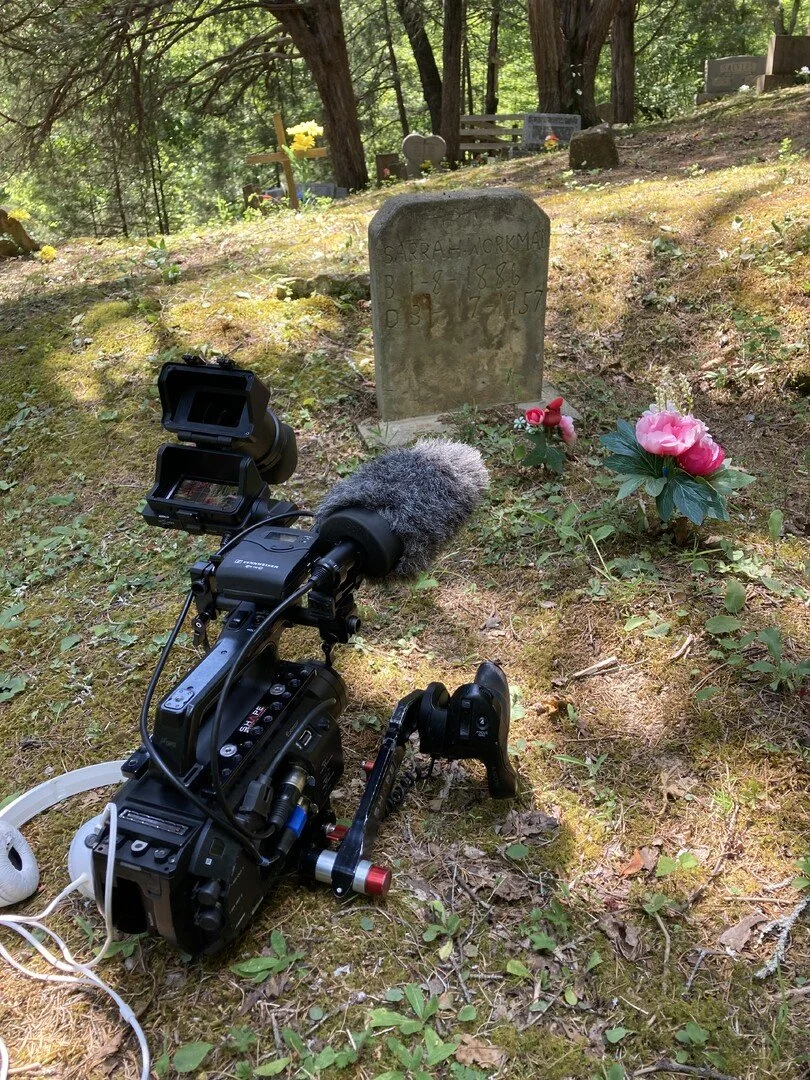
As a performer and researcher, Haddox has pursued these stories for decades. In 2019, he successfully located the grave of Dick Justice, a Logan County musician whose 1929 recordings remain touchstones of early country blues. With the assistance of historian Brandon Ray Kirk, he also traced the final resting place of Peter “Pete” Henry Hill, a fiddler of African American descent known to have played alongside Justice in the Chapmanville area. These discoveries underscore Haddox’s dedication to remembering and honoring the people behind the music—a mission at the heart of both his scholarship and musicianship.
Directors Statment
I wanted to create a film that highlighted a side of West Virginia that often gets upstaged by the "West Virginia is all about coal and nothing else" narrative. Certainly everyone in this film participated in the coal industry at some point or another, but outside of earning a living through coal, they were uniquely talented musicians and singers whose works continue to contribute to the cultural fabric of the area and the larger tapestry of folk music around the world.